Kendal
The Auld Grey Town: south Cumbria's market town, with a ruined castle, historic yards, Kendal Mint Cake and the gateway to the Lakes.
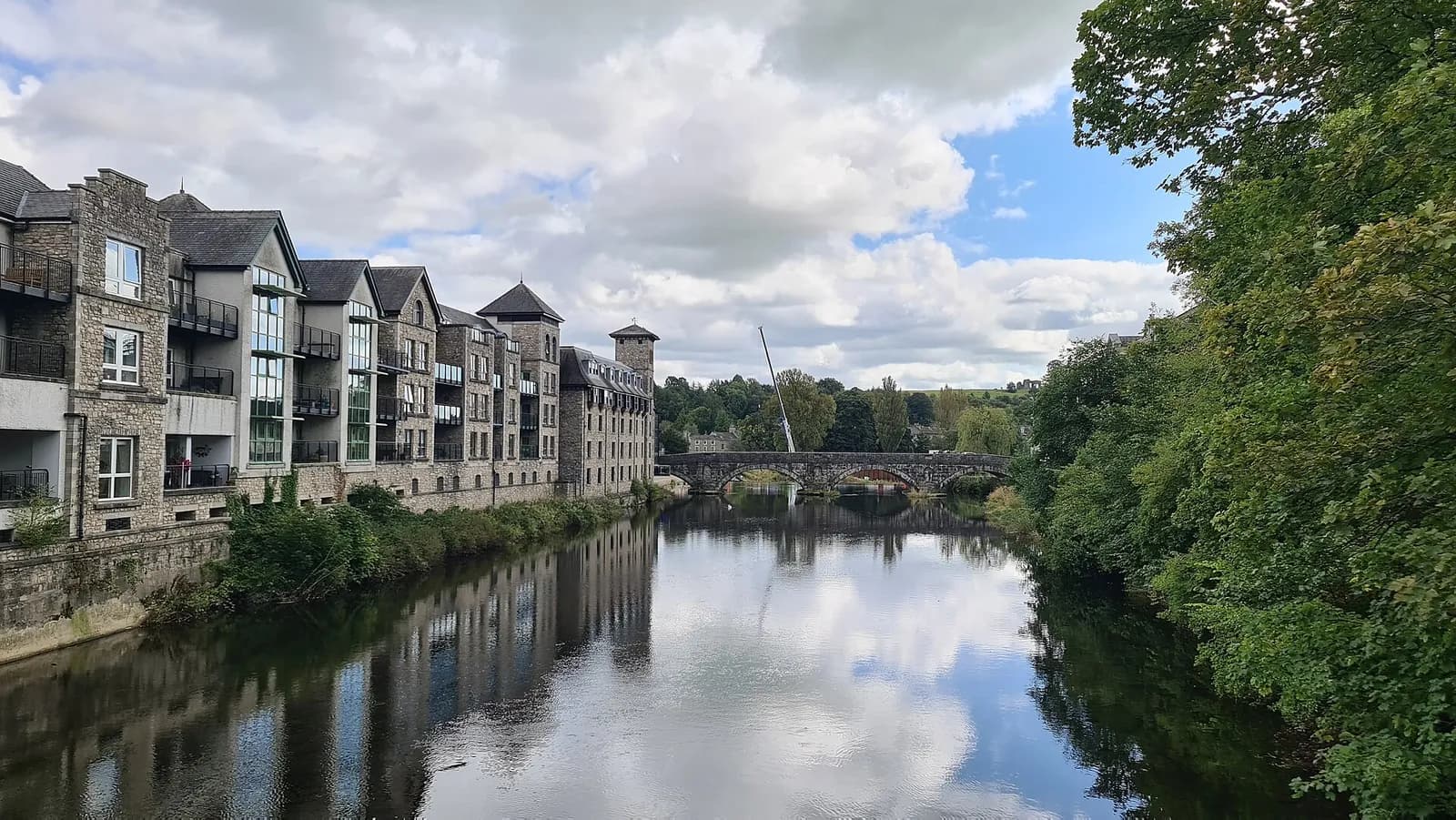
Kendal is the biggest town in the old county of Westmorland and the southern gateway to the Lake District, which begins a few miles up the road. Built of grey limestone, it earned the name the Auld Grey Town, and its long main street of Highgate and Stricklandgate is threaded with narrow medieval yards running off at right angles, many of them now home to small shops and cafes.
The ruins of Kendal Castle stand on a drumlin on the east side of the River Kent and are free to wander, with a view over the rooftops to the fells. Down by the river, Holy Trinity is one of the widest parish churches in England, and next to it stands Abbot Hall, the Georgian house that is home to one of Lakeland Arts' galleries. Kendal Museum on Station Road has natural history and archaeology, and the Brewery Arts Centre on Highgate runs cinema, theatre and music.
This is a working town, not a resort. The outdoor market stands on Wednesdays and Saturdays, and Kendal Mint Cake, the high energy sweet carried on Everest, is still made here. In November the Kendal Mountain Festival brings outdoor films and speakers from round the world. Sizergh Castle and Levens Hall, with its famous topiary gardens, are both a short drive south.
Kendal's one way system is confusing and can jam at peak times, and the town centre streets are steep in places. Parking is plentiful in multi storey and surface car parks. It is an excellent base if you want good shops and transport with the Lakes, the Howgills and the Dales all within half an hour.
Walks from Kendal
All walksWhere to eat and drink in Kendal
All food and drink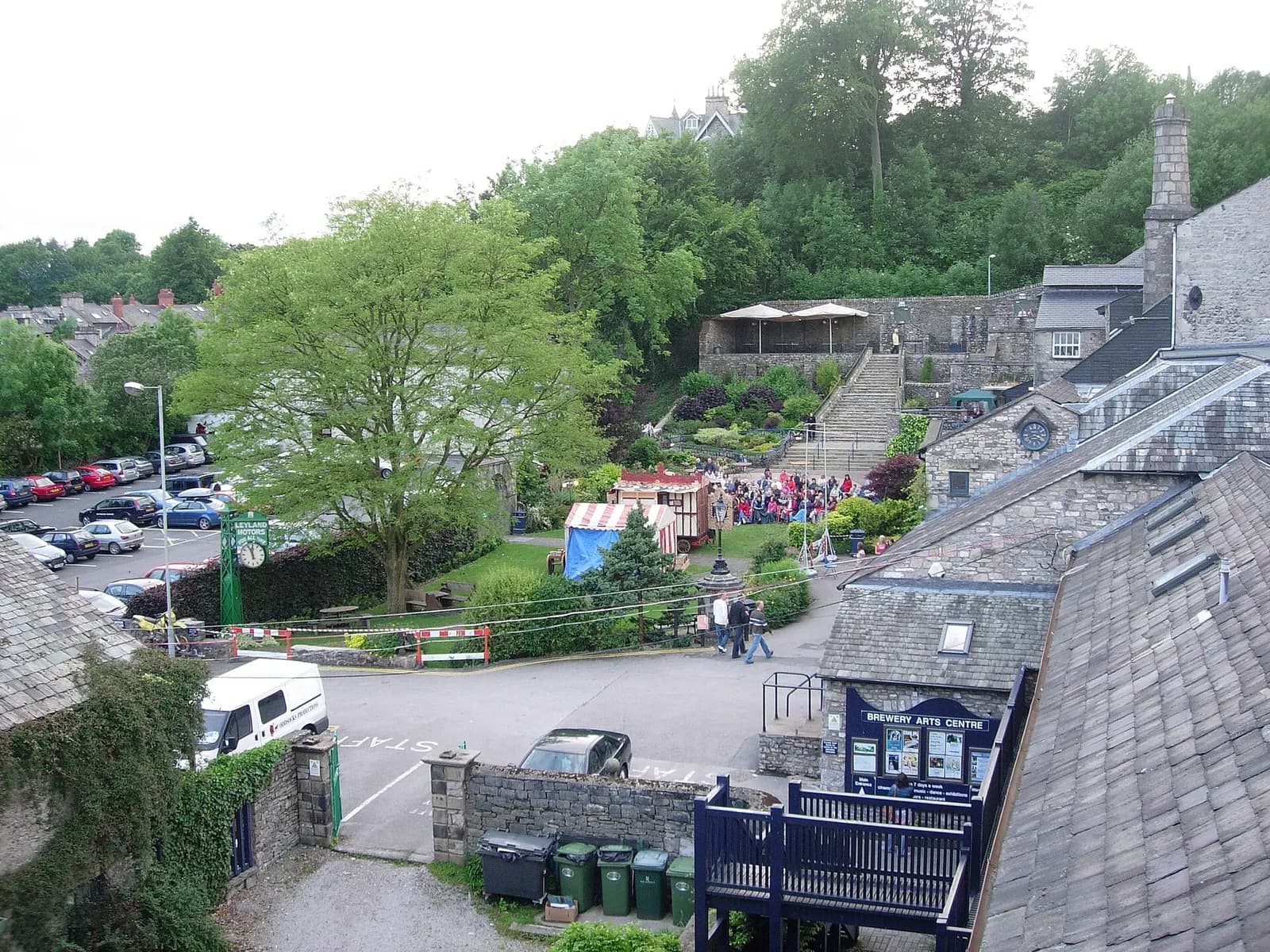
The Brewery Arts Centre Restaurant
Modern European, Kendal, ££, dogs welcome
Restaurant within a vibrant arts center offering modern European cuisine and seasonal menus. The perfect spot for pre-theater dining or casual meals in a creative atmosphere.
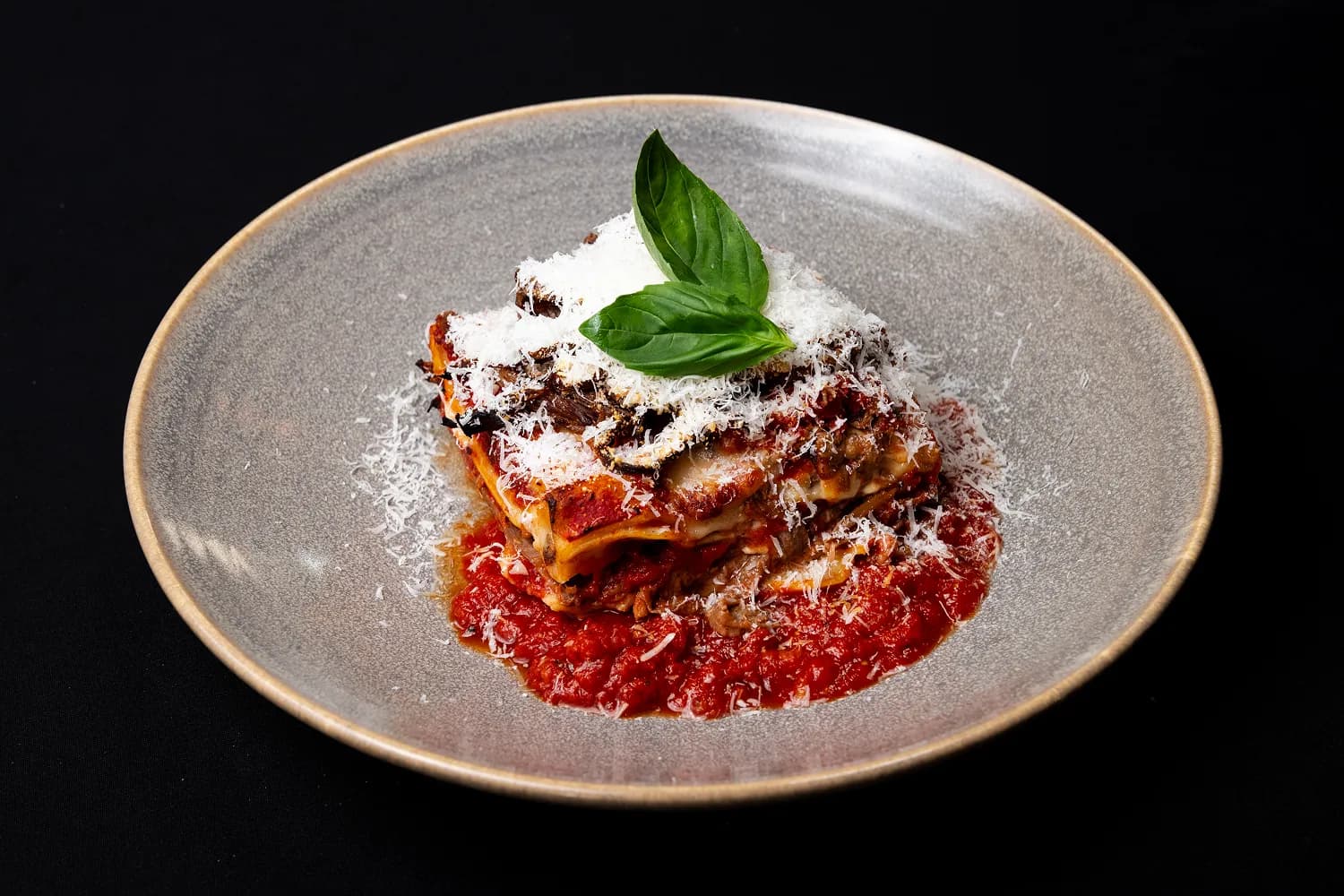
The Moon Highgate
Modern British, Kendal, ££
La Luna, on Kendal's Highgate, is a relaxed Italian restaurant serving homemade pasta and pizza, with a good value express lunch on weekdays and set menus in the evenings.
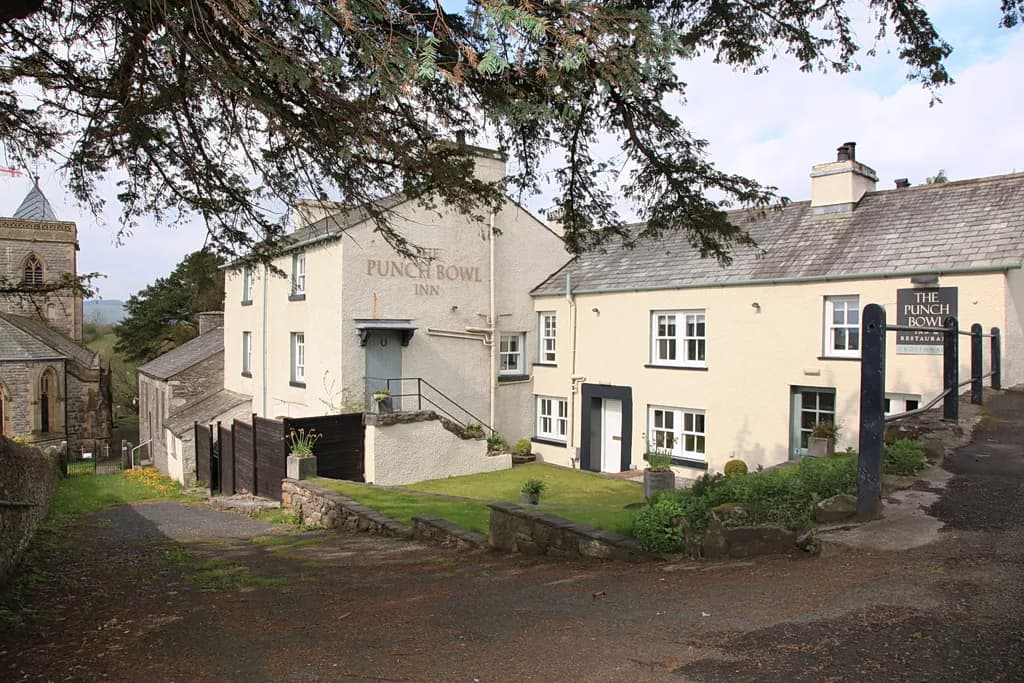
The Punch Bowl
Gastropub & Inn, Crosthwaite, £££
A characterful inn in the Lyth Valley, once also a blacksmith's, lovingly renovated by local owner Richard Rose. Refined but unfussy food, beautifully appointed rooms and a quiet valley setting a few miles from Windermere.
Where to stay in Kendal
All places to stayWhat's on in Kendal
Full calendar- Kendal Mountain Festival
19 to 22 November 2026, Various venues across Kendal
- Kendal Christmas Lights Switch-On
Fri, 27 November 2026, Kendal town centre
- Kendal Christmas Celebration
Sun, 6 December 2026, Kendal town centre
- Westmorland County Show
8 to 9 September 2027, Westmorland County Showfield