Cockermouth
A handsome Georgian market town where the Cocker meets the Derwent: Wordsworth's birthplace and the base for Lorton Vale and the western lakes.
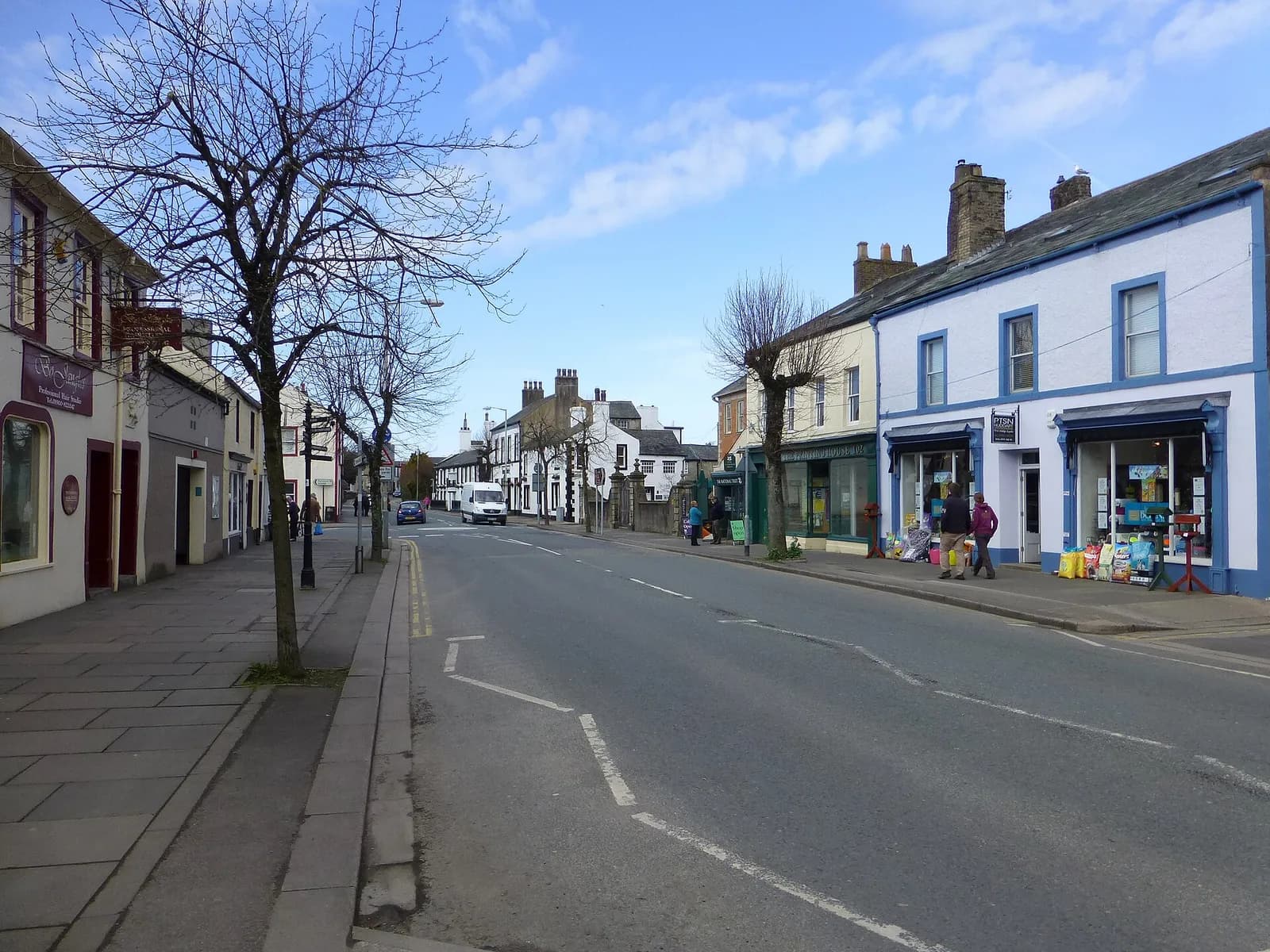
Cockermouth is a good looking town of colour washed Georgian houses, built where the River Cocker joins the Derwent on the north western edge of the Lake District. Its broad, tree lined Main Street is one of the most handsome in Cumbria, and it has an independent, unhurried feel, with family run shops, pubs and cafes rather than outdoor chains.
Wordsworth House, at the end of Main Street, is where William and Dorothy Wordsworth were born. The National Trust runs it as a Georgian family home, with a working eighteenth century kitchen and a riverside garden. The castle, which overlooks the rivers and the old Jennings Brewery buildings, is privately owned and opens only occasionally. Kirkgate, a cobbled street of older houses, leads up to the Kirkgate Centre, a small arts venue.
The town is a natural base for the quieter north western lakes. Lorton Vale leads south to Crummock Water and Buttermere, Loweswater is twenty minutes' drive, and Bassenthwaite Lake is just to the east. The coast at Maryport and Workington is close too. Late spring and early autumn are the best times to walk the lower fells around Lorton and Loweswater, which are much quieter than those around Keswick, and Main Street's cafes and pubs make a good end to the day.
Cockermouth has flooded badly more than once, most severely in 2009 and again in 2015, and the riverside defences are a reminder. It sits outside the national park, so it is cheaper and less crowded than Keswick, but buses into the fells are limited outside the main routes.
Where to eat and drink in Cockermouth
All food and drink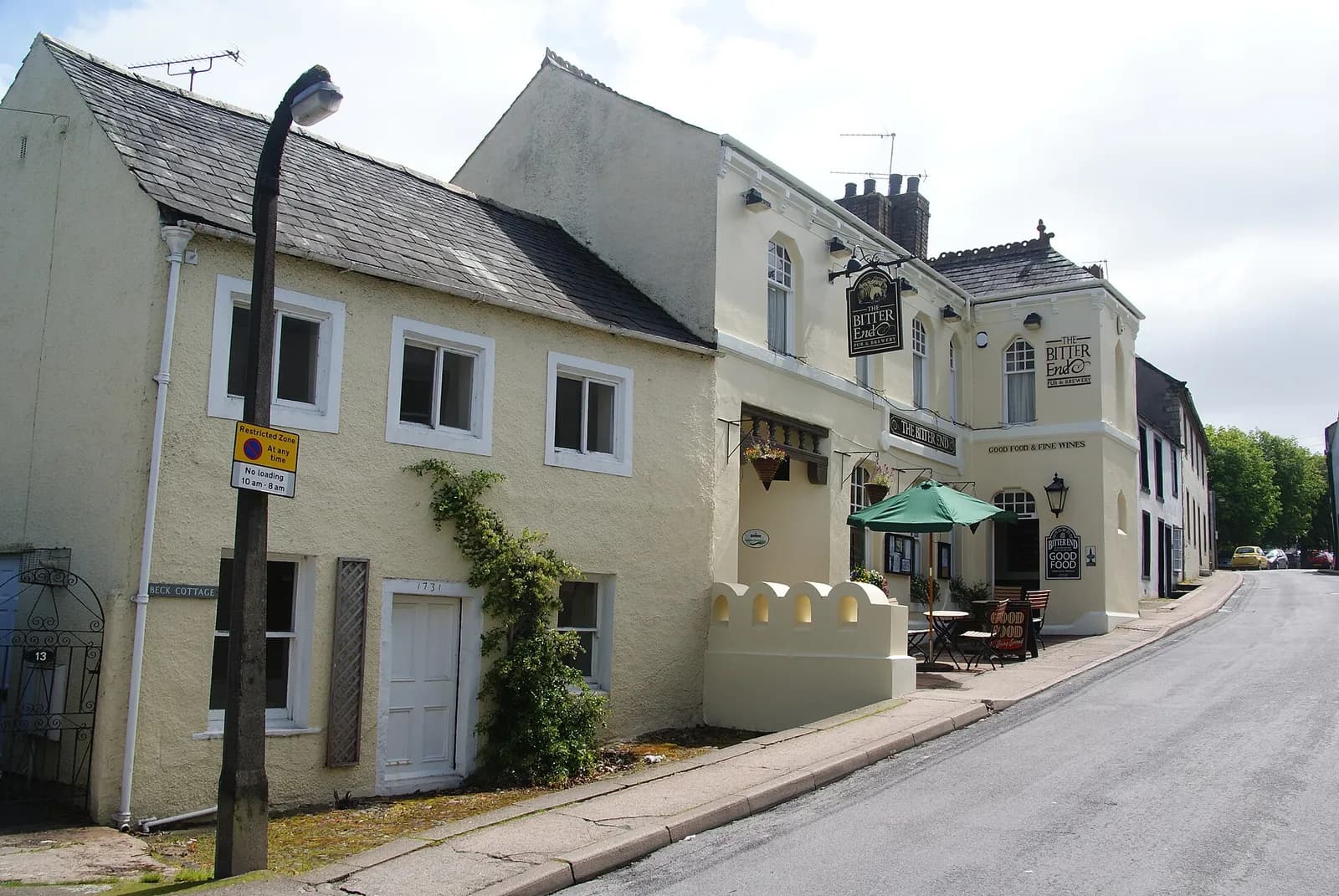
What's on in Cockermouth
Full calendar- Cockermouth Annual Fireworks Display
Sun, 1 November 2026, Memorial Gardens
- Cockermouth Christmas Light Switch-On
Sun, 22 November 2026, Main Street
- Taste Cumbria Christmas, Cockermouth
5 to 6 December 2026, Cockermouth town centre