Guides · 21 October 2026
Wild swimming in the Lake District: where you can swim, and how to do it safely
By Only Cumbria, updated 21 October 2026, 7 minute read
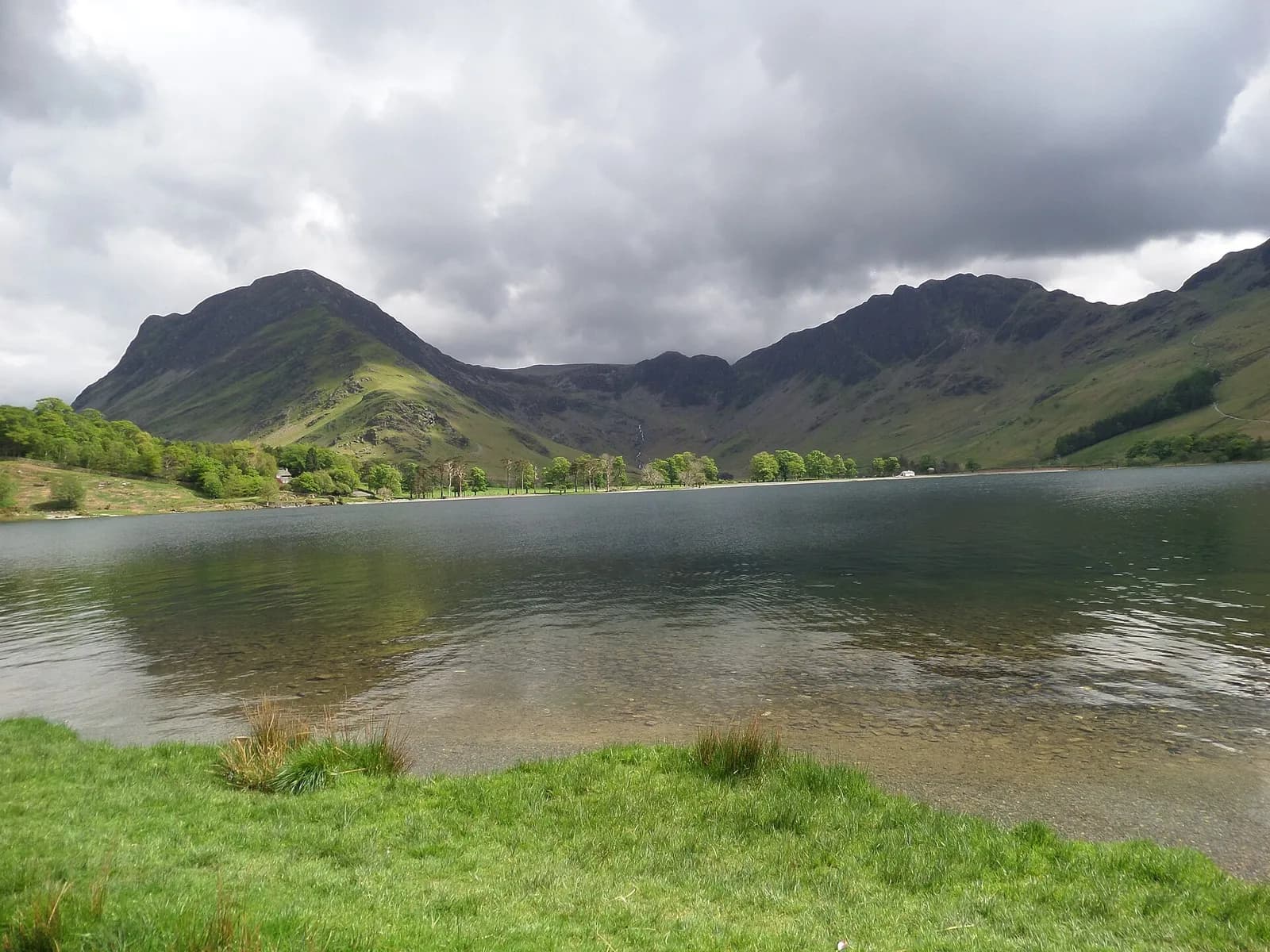
Swimming in a Lake District lake on a still morning, with the fells upside down in the water around you, is one of the best things you can do here. It is also one of the easiest ways to get into serious trouble. The lakes are deep and cold all year, boats share the bigger ones with you, and some of the most tempting water is a working reservoir where swimming is not allowed at all.
This guide is about doing it properly: where you can legally swim, where you cannot, how to check the water before you get in, and a handful of places we think are good starting points. We have left out the vague "secret spots" older guides liked to list.
Safety first
Read this section even if you swim in the sea or a lido every week. Lake water behaves differently.
Cold water shock. The RNLI says cold water shock can be triggered in water below 15°C, and Lake District water is below that for most of the year, even when the air is warm. The first plunge makes you gasp and breathe fast and uncontrollably. If your head is under at that moment you can inhale water. The RNLI's advice is that the effects pass in less than a minute, so do not try to swim straight away.
Float to Live. If you get into difficulty, the RNLI and the National Park's lake rangers both teach the same five steps: tilt your head back with your ears under, relax and try to breathe normally, move your hands to help you stay afloat, do not panic if your legs sink, and spread your arms and legs for stability. Once your breathing is under control, call for help or swim to safety.
The lake ranger's checklist. The Lake District National Park Authority's rangers suggest:
- swim with friends, never alone
- wear a brightly coloured hat and use a bright tow float
- walk in slowly to check the depth and the bed
- swim along the shoreline so you can get out easily, and know where your exit is before you start
- do not stay in too long if you are not used to cold water
- a wetsuit helps with warmth and buoyancy
- have layers, a hat and a warm drink waiting, even in summer
- no alcohol, and no diving
Boats. Windermere, Coniston Water, Derwentwater and Ullswater all allow powered craft, with speed limits (10mph on Coniston, Derwentwater and Ullswater; 10 and 6 nautical mph zones on Windermere). Lake steamers, launches, hire boats and motorboats may not see a swimmer's head in the water. Stay close to the shore, wear that bright hat and float, and keep well away from piers, jetties and moorings, which are where boats come and go. The Authority also warns of hidden rocks and shallow areas near jetties.
Blue-green algae. In warm, dry weather, blue-green algae can occur naturally in Lake District lakes. The National Park Authority says the risk to people is small but it can be lethal to dogs. Check the Environment Agency's weekly updates, look for signs at the water's edge, do not swim where you suspect algae, and report sightings through the Bloomin' Algae app.
Water quality. Several Lake District swimming spots are now designated bathing waters, which means the Environment Agency samples them through the season (15 May to 30 September) and publishes an annual classification. Results vary between sites and from year to year, and some sites have carried advice against bathing. Look up the site on the Environment Agency's Swimfo service before you go rather than relying on any rating quoted in a guide, including this one.
Where you cannot swim: the reservoirs
Several Lake District lakes are reservoirs run by United Utilities, and the National Park Authority's lake access guide lists swimming as not permitted on:
- Haweswater, where no craft of any kind are allowed either
- Thirlmere, where canoes and kayaks are allowed but swimming and paddleboarding are not
- Ennerdale Water
United Utilities says it has a no swimming, paddleboarding or kayaking policy at the majority of its reservoir sites, because the water is deep and very cold, the sides are steep and hard to climb out of, machinery under the surface can create strong currents, and the sites are often remote and hard for emergency services to reach. Walk round them by all means. Do not get in.
Where you can swim
The National Park Authority's access guide marks swimming as allowed on Windermere, Coniston Water, Derwentwater, Ullswater, Bassenthwaite, Brotherswater, Buttermere, Crummock Water, Grasmere, Loweswater and Wastwater. On Rydal Water it is individual recreational swimming only, with no boats or boards. There is no access to the islands on Derwentwater or Grasmere, so do not swim out to them.
Here is where we would start.
Coniston Water
Coniston Water has three designated bathing waters, recognised by Defra in 2024 after a bid by Coniston Parish Council: Monk Coniston at the north end of the lake, Brown Howe on the west shore, and Coniston Boating Centre near the village. The Boating Centre site was rated poor in its first year and the council advised against swimming there; the Environment Agency reported it had improved in 2025. Check Swimfo for the current position.
Brown Howe is the easiest place for a first lake swim here. The lakeshore car park has toilets (closed in winter), a picnic area and wheelchair and buggy friendly access to the shore. Monk Coniston has its own car park and a lakeshore path towards the village.
Coniston is a busy lake. Coniston Launch runs a summer and winter timetable calling at jetties including Brantwood, Torver and Sunny Bank, and the Boating Centre near the village is a busy launch point, so keep close in and away from the jetties. Coniston also has a 10mph speed limit that is lifted for record attempts during Records Week, usually in early November; avoid the lake then.
Above the village, the old copper mining tarns of Levers Water and Goat's Water are on our Old Man of Coniston walk. They are high, remote and colder than the lake, with no one around to help, so only swim there if you are experienced and with others. For a pint afterwards, The Black Bull is in the village.
Windermere
Windermere has four designated bathing waters: Millerground Landing, Rayrigg Meadow, Fell Foot and Lakeside YMCA. Fell Foot is the National Trust's lakeshore park at the southern tip of the lake, with parking, toilets and a cafe, and it is the most comfortable place on Windermere for a beginner. It is also the busiest lake in the National Park for boats, so stay close to the shore wherever you get in.
Buttermere and Crummock Water
No powered boats are allowed on either lake, which makes them two of the calmest big lakes to swim in. Paddlecraft and rowing boats need a permit. The shore path on our Buttermere circuit gives you plenty of places to get in; remember that the water deepens and chills quickly once you are off the shingle. See Buttermere and Crummock Water.
Ullswater
Ullswater allows swimming, with a 10mph limit for powered craft and the Ullswater Steamers working between Glenridding, Howtown and Pooley Bridge. Older guides suggested swimming off the Howtown pier. Do not: piers are where boats berth. Choose a quiet shingle shore well away from them.
Wastwater
Wastwater is England's deepest lake, about 79 metres at its deepest, and owned by the National Trust. It is spectacular under the Screes and very cold. Treat it as a place for experienced swimmers who stay close to the shore.
Derwentwater
Swimming is allowed on Derwentwater, but the designated bathing water at Crow Park in Keswick was rated poor in its first year, with swimmers advised to avoid it. Check Swimfo before swimming near Keswick.
Tarns and rivers
Tarns look inviting from the path, and several are popular with swimmers. They are also often high, deep, cold and a long way from help, and some are fragile wildlife sites. Our guide to the most beautiful tarns in the Lake District covers how to reach them. We do not suggest swimming at Tarn Hows: it is a very busy National Trust beauty spot and a Site of Special Scientific Interest, and it is far better as a walk.
We have also dropped the river pools older guides recommended, including the Lune at Kirkby Lonsdale. Rivers here rise fast after rain, currents and submerged rocks are hard to read, and jumping from bridges and rocks into rivers is how people get badly hurt. If you want to swim in moving water, go with a local guide or coached group the first time.
Before you go
- Check the water: Swimfo for bathing water results and daily advice, the Environment Agency's blue-green algae updates, and the signs at the lake.
- Check the weather: wind makes chop, and chop hides swimmers from boats.
- Parking: lakeshore car parks fill early on hot days. Never block gates or verges. See our parking guide and, to leave the car behind, our car-free guide.
- Dogs: keep them out of water with suspected algae. For dog-friendly days out, see dog-friendly Cumbria.
- Leave no trace: change discreetly, take everything home, and do not use soap or sun cream right before getting in.
- On a boat day instead? Our boat trips guide covers the lake services.